










Summer 2026

The Confluence of Past and Possibility

A historic rail bridge becomes a modern landmark and entertainment district above the Kansas River.

Words
Matt Smithmier
@mattsmithmier

Architect
Multistudio
@multistudio

Developer
Flying Truss


A

case of Old Style beer, a few friends, and one incredible view of downtown across the water: When Michael Zeller was still a student at North Kansas City High School in the 1980s, the upper deck of the old ASB Bridge over the Missouri River became a regular hangout.

“We’ll never have a mountain or an ocean, but we had this big river,” he says. “I always thought it was so cool. … But we haven’t understood our rivers as the natural resources they are—until now.”

After spending a career in teaching, training, and fundraising, including 18 years at Kansas City PBS, the Mizzou alum with no experience in commercial development nevertheless held a passion for the city’s rivers and decided to act.

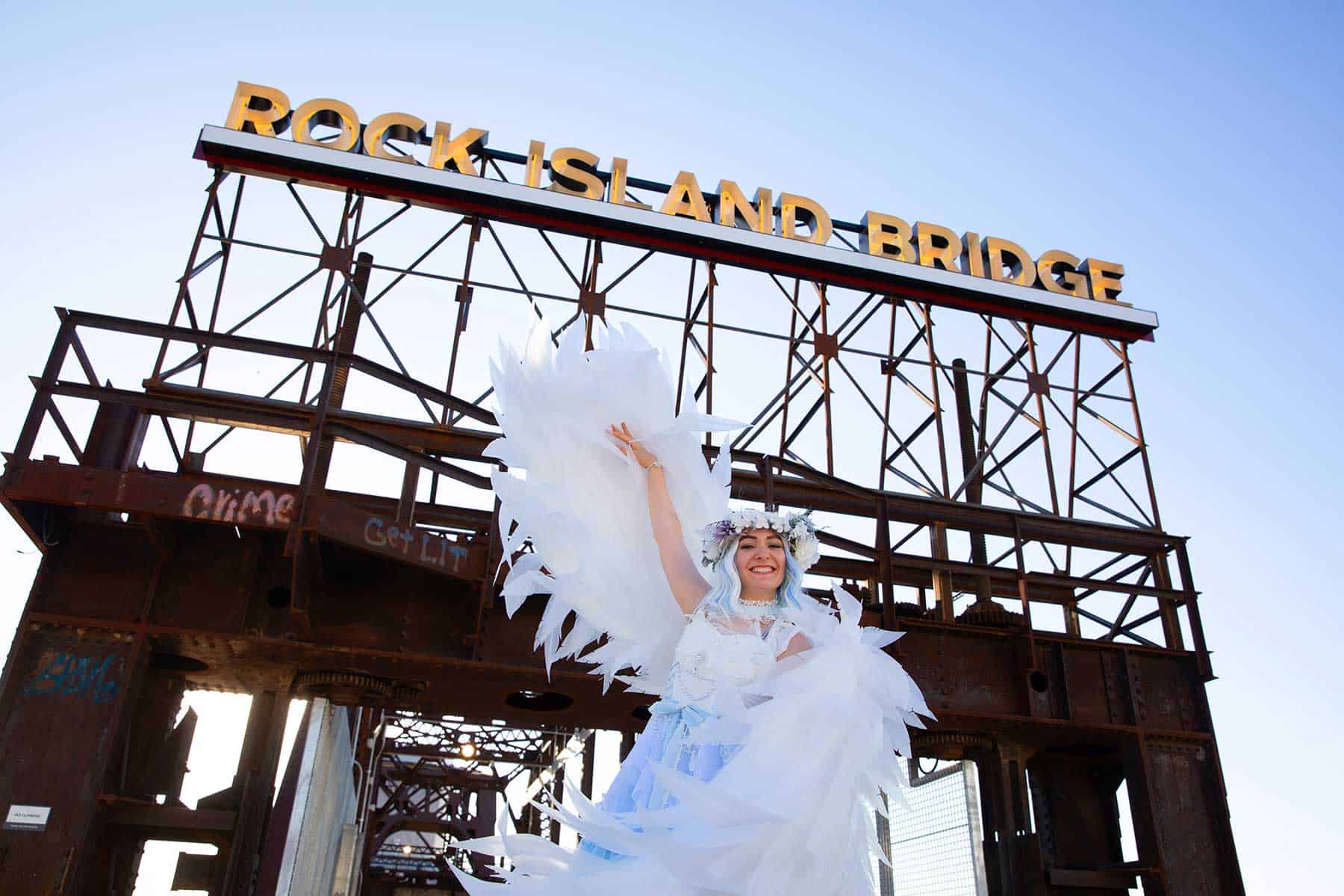
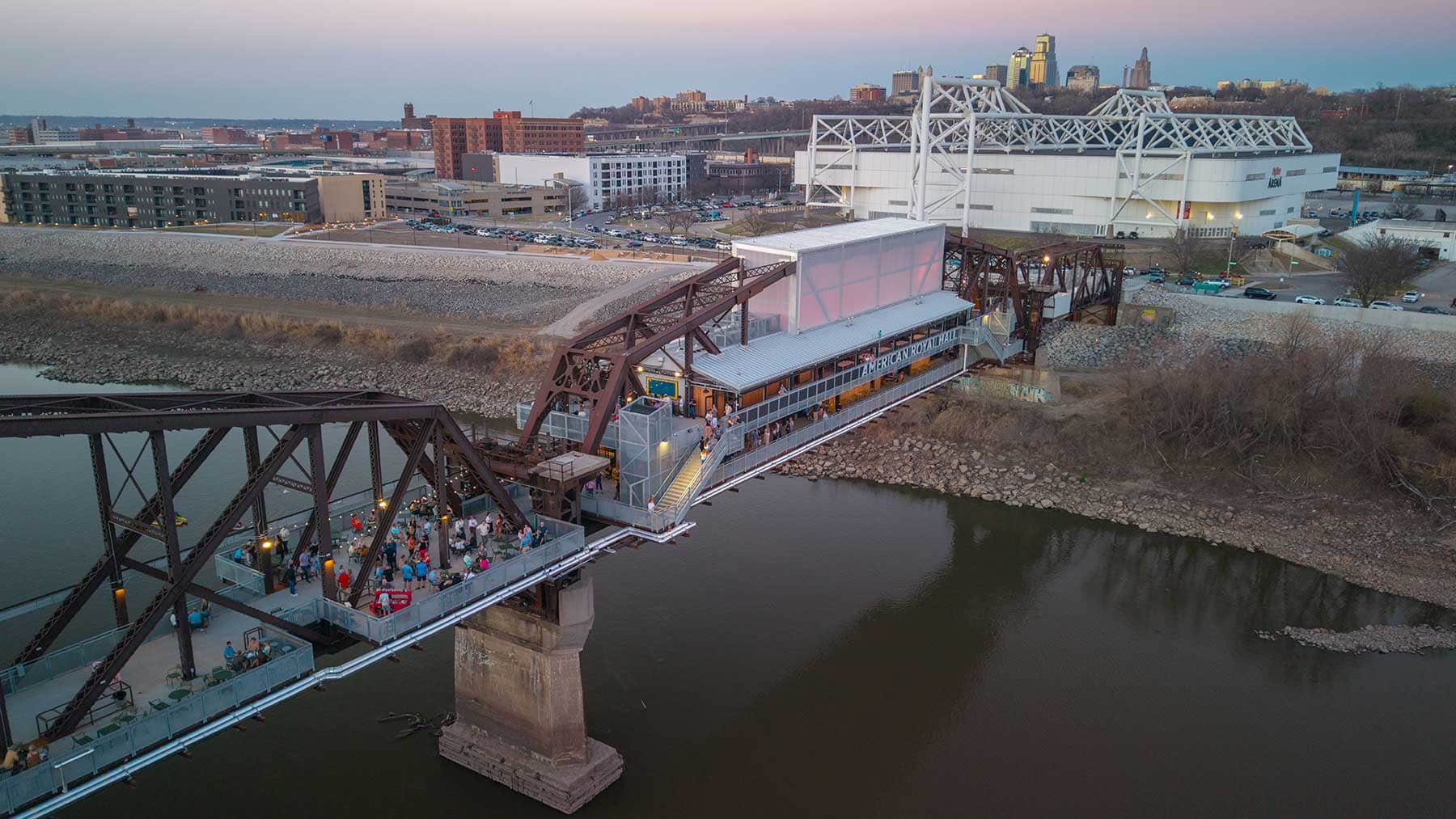
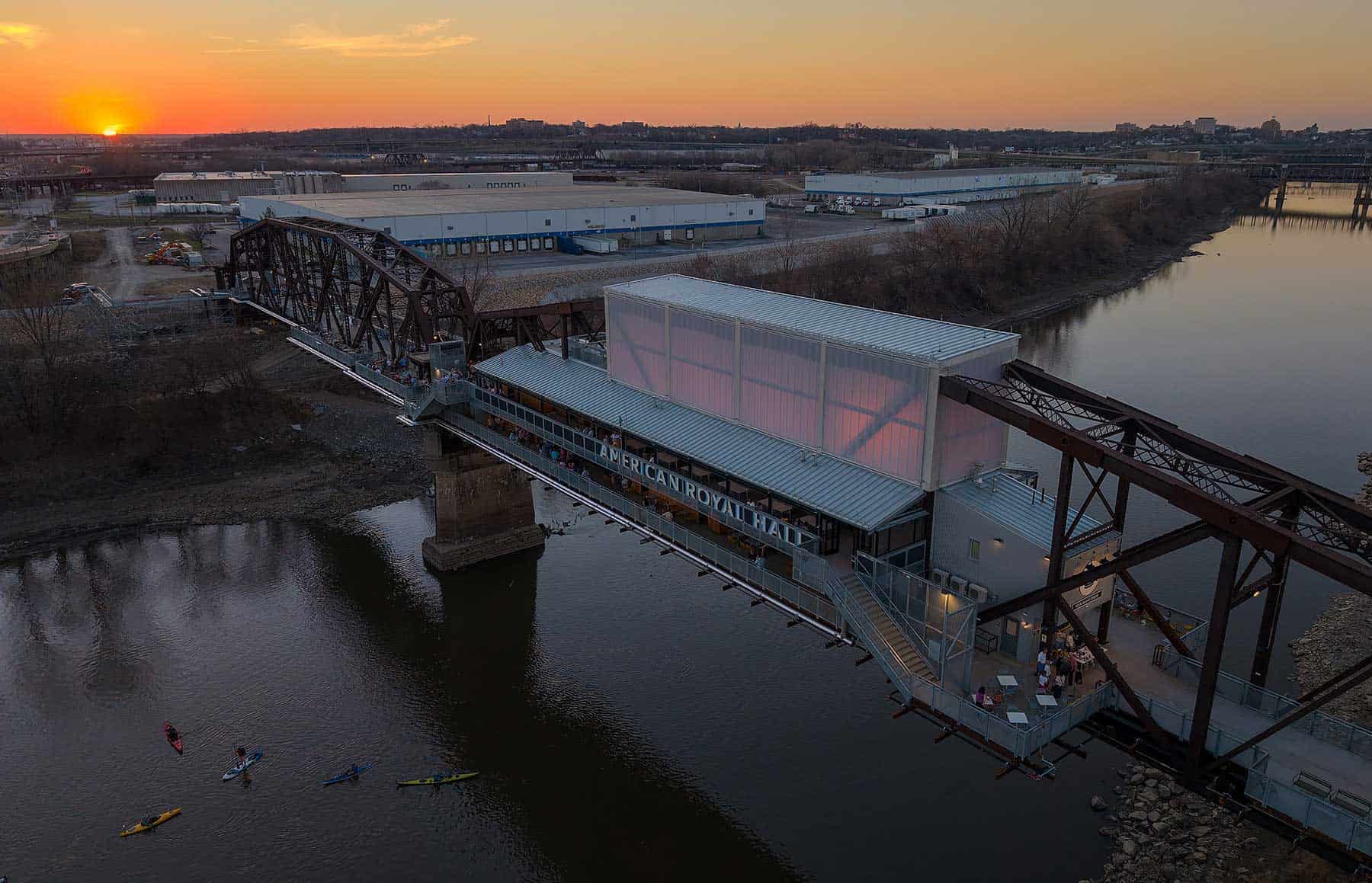
After conceiving the idea in 2007, his years of hard work—along with “a lot of really philanthropic Kansas Citians”—led to the newly opened Rock Island Bridge, a historic 1905 railroad bridge spanning the Kansas River that’s been transformed into one of the first entertainment districts over a river.

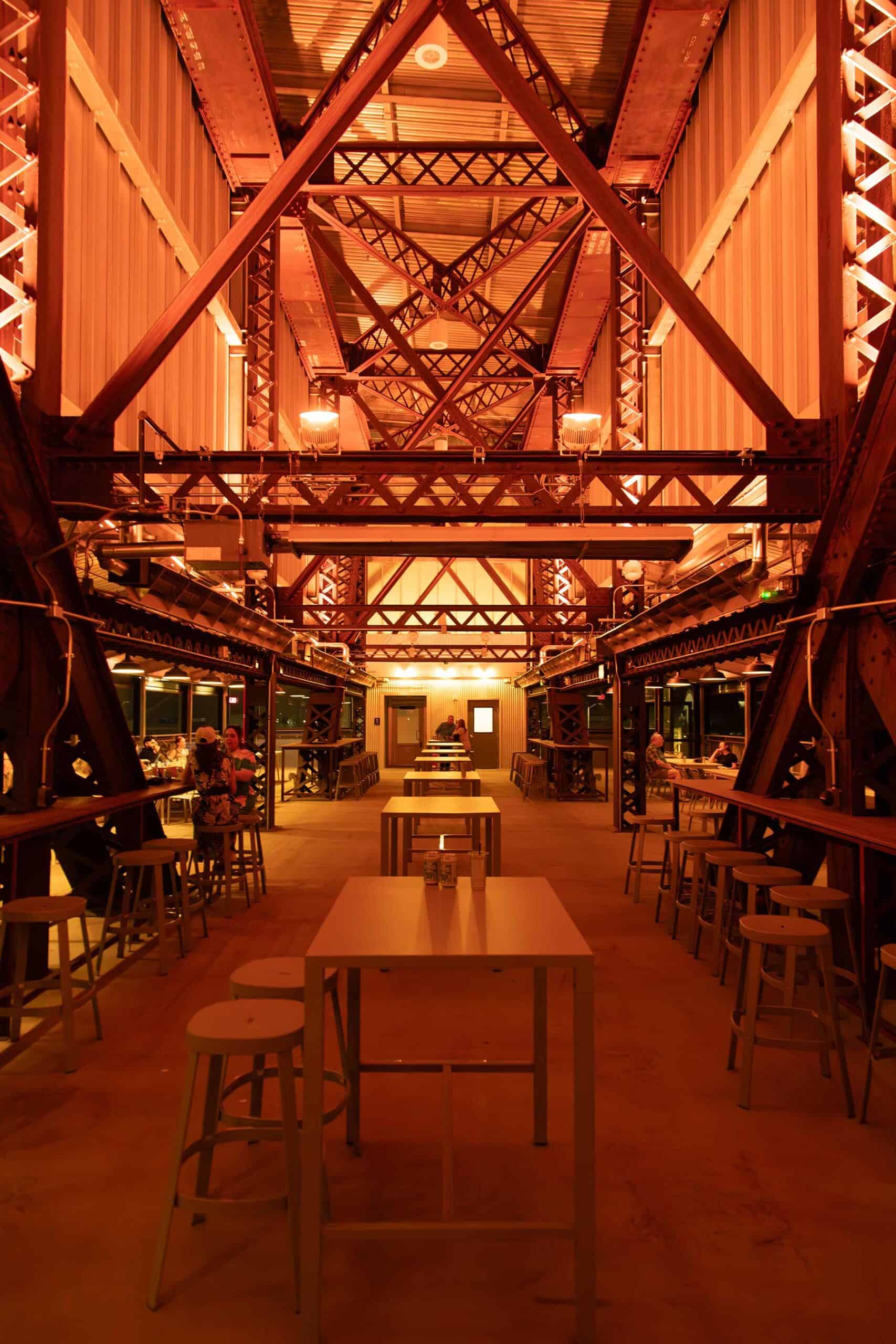
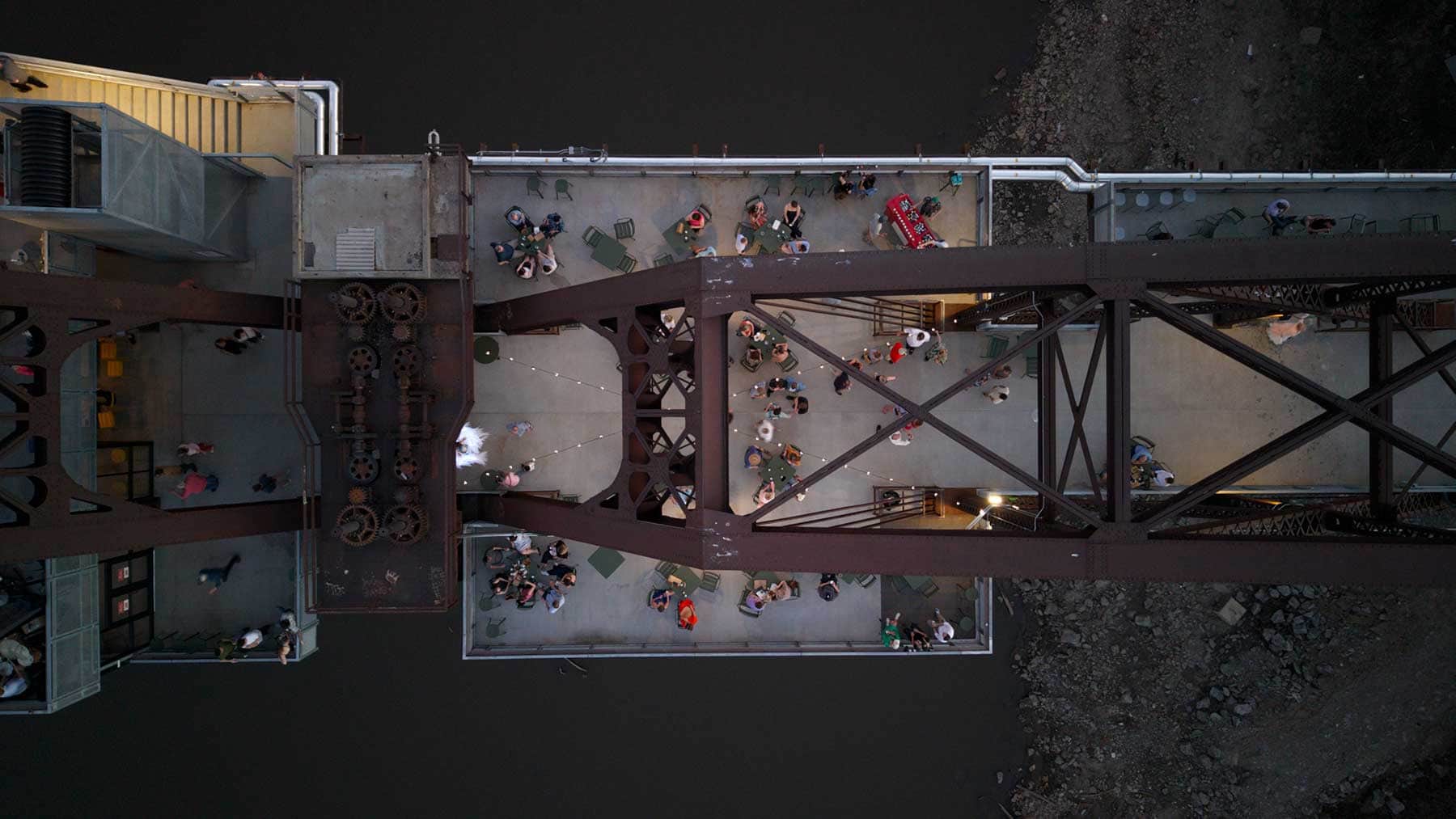
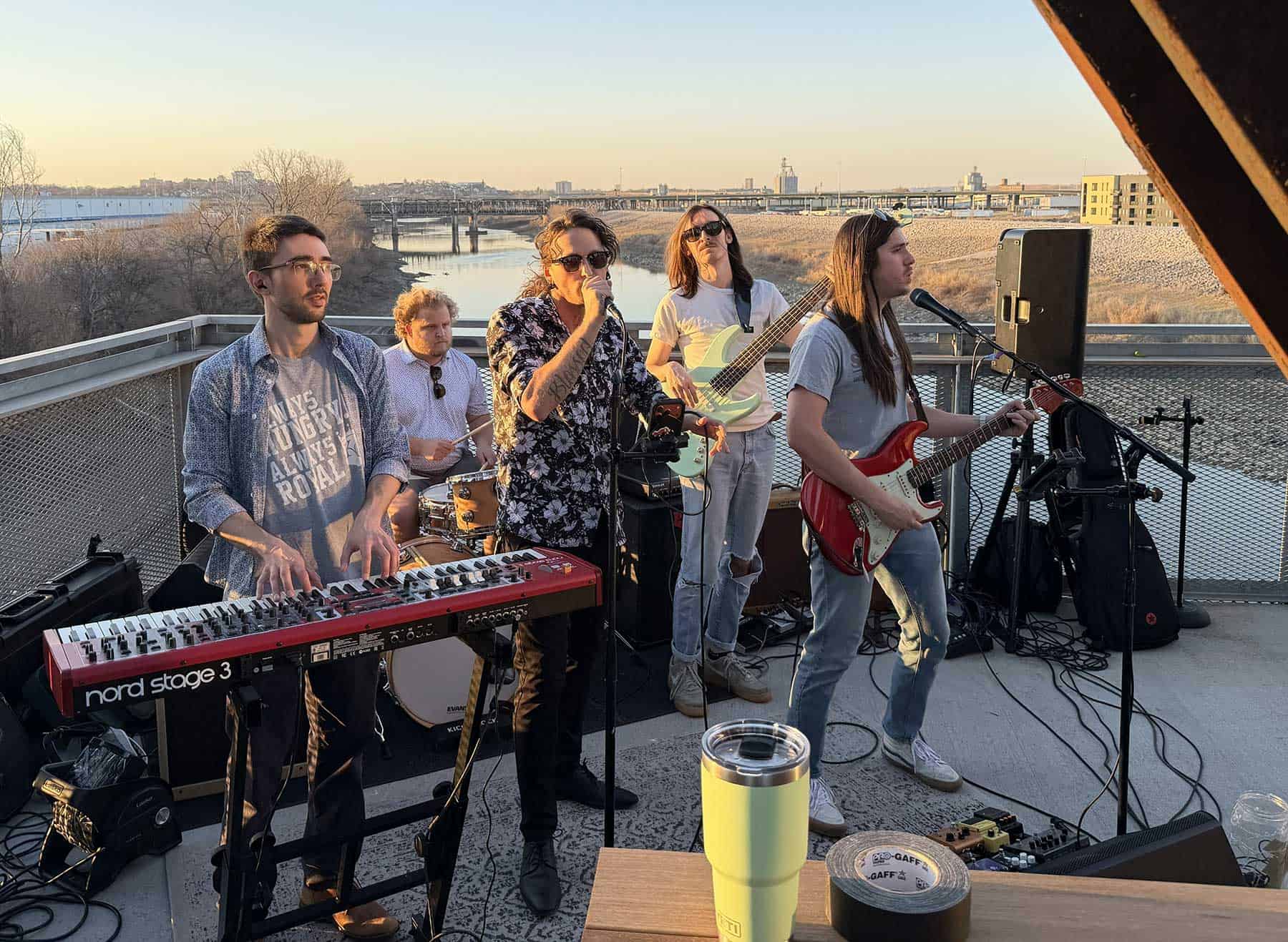
At 700 feet long and more than 35,000 square feet of space, the infrastructure reuse project offers something for everyone: Grab lunch or dinner at the River House restaurant (a menu Zeller calls “Midwest lake house meets coastal smokehouse”), or snag a bite to go at the walk-up window. Enjoy a local beer or cocktail on the patio or at the 50-foot bar; explore the farmers market or a maker fair; or take in some live music in one of three separate venues. The second floor is home to American Royal Hall, an event space for up to 300 people with scenic views of the river and both sides of the state line.

Now serving as CEO of Rock Island Bridge, Zeller says he’s still not even sure how he ended up in the position.

“Looking back, nothing in my life would suggest I would lead a project like this,” he says. “It was kind of harrowing starting a beginning without knowing what the end looked like, but it all worked out.”

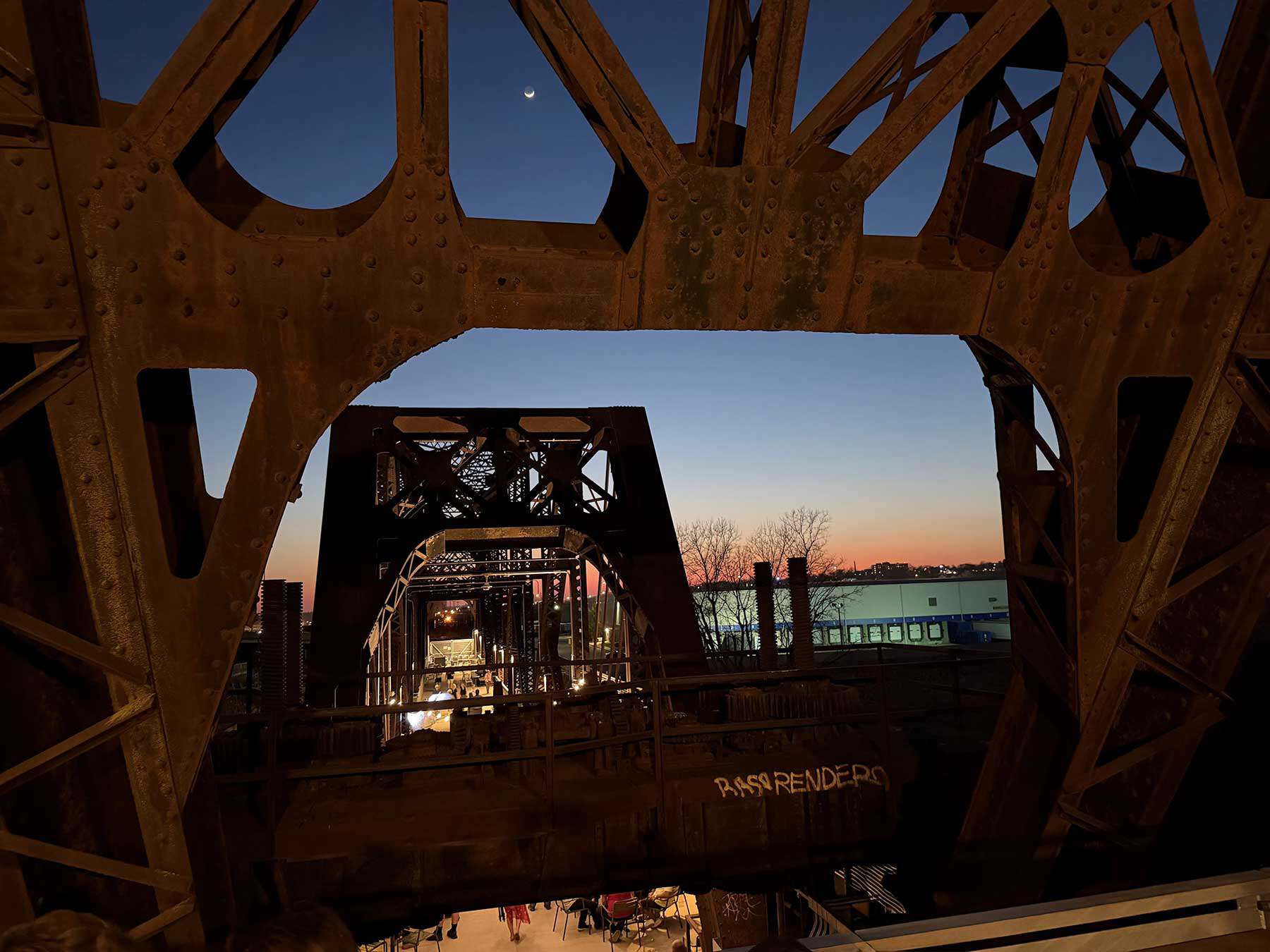
With help from Dennis Strait, principal emeritus at then-Gould Evans (now Multistudio), the design not only honors local history but also embraces the authenticity, legacy, and engineered elegance of the century-old craftsmanship. The new additions introduce a modern edge to the bridge’s industrial heritage, showcasing the timeworn, weathered steel, exposed trusses, and utilitarian geometry. From the bar foot rail, constructed from the actual steel track that traversed the bridge, to the exposed lift gates and sepia-toned historical photos, little touches connect visitors to an authentic expression of a city that owes so much to its waterways.

“We’re a big river town, but nowhere in Kansas City is the history of our rivers and bridges celebrated. Nobody here has that theme,” Zeller says. “This is that place.”

You may also like these articles.

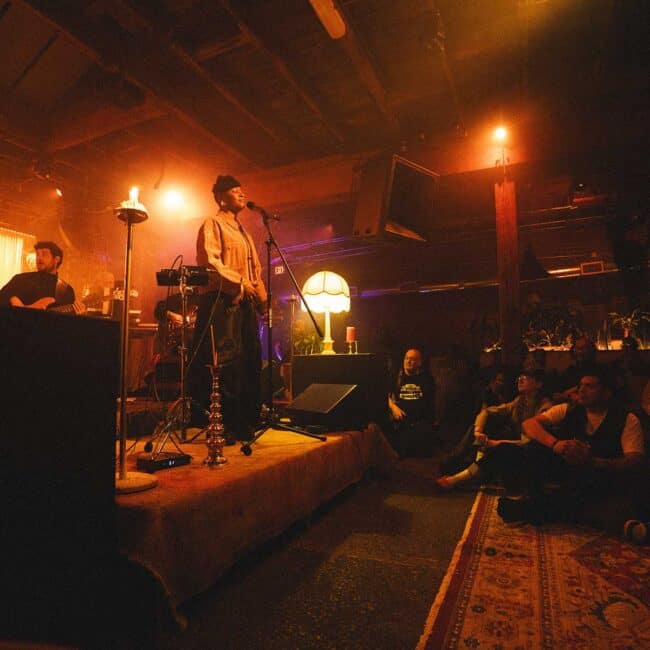
On the ITLF stage, Hailes met people’s eyes, introduced herself, and moved through the space as both headliner and someone sharing in the music. Designed to “erase that barrier and really make it a communal experience,” Living Room fostered a symbiotic exchange in which “the audience also has to make space for the performer.”

An Invitation, Not a Show 

Inside Living Room by Hailes, where a Kansas City-born performer, an immersive West Bottoms lounge, and the five visionaries behind it draw artist and audience into one soulful, shared experience.

Read More »

Leave a Reply

Your email address will not be published. Required fields are marked *